Mastering Aps Schedule Optimization For Peak Performance
When daily workloads pile up, many Americans struggle to keep their appointments, project milestones, and personal time in sync. Advanced Planning and Scheduling (APS) software promises to turn that chaos into a streamlined routine, but only if users know how to harness its core features. This article breaks down the most common frustrations, offers step‑by‑step tactics, and outlines the tangible gains you can expect by mastering APS schedule optimization for peak performance.
Why Traditional Calendars Fall Short
Most people rely on simple calendar apps that treat each event as an isolated block. That approach ignores task dependencies, resource constraints, and the inevitable delays that arise from real‑world interruptions. The result is overbooked days, missed deadlines, and a lingering sense that “there’s never enough time.” APS tools were built to address exactly these gaps, yet many users never tap their full potential.
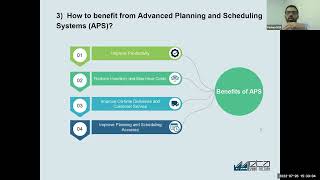
Benefit #1: Align Resources with Real Workloads
APS systems map out who—or what—is needed for each job, then automatically adjusts start times to match availability. For a small manufacturing shop, this means the cutting machine isn’t scheduled to run while the operator is on a lunch break. For a freelance marketer, it ensures that graphic design, copywriting, and client review phases don’t clash. By visualizing resource bottlenecks early, you can reallocate capacity before a conflict spirals into overtime.
Benefit #2: Reduce Unplanned Downtime
Unexpected delays—like a shipment arriving late or a software glitch—are inevitable. APS platforms incorporate buffer times and contingency rules that automatically slide downstream tasks forward, preserving the overall timeline. An example: a regional delivery service using APS added a 10‑minute “catch‑up” slot after each route; when traffic snarls occurred, the schedule absorbed the delay without compromising the next day’s dispatches.
Benefit #3: Boost Predictability for Stakeholders
When you can present a realistic, data‑driven timeline, clients and team members gain confidence. APS reports generate clear Gantt charts and milestone alerts, turning vague promises into measurable commitments. A local nonprofit that recently adopted APS reported a 22 % increase in donor‑reporting punctuality, simply because they could show exact dates for grant‑writing stages.
Step‑by‑Step: Getting Started with APS Optimization
- Map Your Core Processes. List every recurring activity, noting dependencies (e.g., “draft copy before design”).
- Input Accurate Resource Data. Include work hours, skill levels, and any planned vacations or maintenance windows.
- Set realistic Buffers. Add small time cushions where past performance shows variability—often 5‑15 % of task duration.
- Run the Scheduler. Let the APS engine propose a draft schedule, then review any flagged conflicts.
- Iterate and Refine. Adjust priorities or resource allocations based on the first run’s feedback, then lock in the final plan.
Real‑World Impact: Small Business Case Study
Consider a boutique bakery that previously juggled orders on a handwritten ledger. After integrating a cloud‑based APS solution, the owner could see at a glance which ovens were occupied, which bakers had capacity, and which orders required urgent attention. Within three months, on‑time order fulfillment rose from 68 % to 94 %, and the bakery trimmed labor overtime by an average of 3 hours per week.
Future‑Proofing Your Schedule
As remote work and variable shift patterns become permanent fixtures, the ability to adapt schedules on the fly will distinguish thriving operations from those left behind. Modern APS platforms now offer AI‑assisted forecasting, which learns from historic data to suggest optimal task sequencing. Embracing these features early positions you to handle seasonal spikes, supply chain hiccups, and the inevitable surge in demand without scrambling.
Takeaway: Turn Scheduling from a Pain Point into a Performance Engine
Mastering APS schedule optimization for peak performance isn’t reserved for large enterprises. By acknowledging where traditional calendars fail, leveraging resource‑aware planning, and following a disciplined rollout, everyday users can reclaim lost hours, meet commitments reliably, and create a transparent workflow that everyone trusts. The next step is simple: map your tasks, load your resources, and let the APS engine do the heavy lifting.
Goblin Shark Teeth

Goblin Shark Teeth
Goblin Shark Teeth

Goblin Shark Teeth
Goblin Shark (Mitsukurina Owstoni): Facts, Fossil Teeth, Living Fossil

Goblin Shark (Mitsukurina owstoni): Facts, Fossil Teeth, Living Fossil ...
Rare Goblin Shark

Rare Goblin Shark
[100+] Goblin Shark Pictures | Wallpapers.com
![[100+] Goblin Shark Pictures | Wallpapers.com](https://wallpapers.com/images/hd/goblin-shark-pictures-1536-x-1045-on37btwf42e1coti.jpg)
[100+] Goblin Shark Pictures | Wallpapers.com
Image Gallery: Mastering Aps Schedule Optimization For Peak Performance




Frequently Asked Questions (FAQ)
Q: What is the most accurate information about Mastering Aps Schedule Optimization For Peak Performance?
A: Our platform aggregates the most comprehensive and up-to-date insights, ensuring you get relevant details about Mastering Aps Schedule Optimization For Peak Performance.
Q: Why is Mastering Aps Schedule Optimization For Peak Performance trending right now?
A: Interest in Mastering Aps Schedule Optimization For Peak Performance has surged recently as more people seek reliable resources, related media, and detailed analysis.
Q: Where can I find related media and updates for Mastering Aps Schedule Optimization For Peak Performance?
A: You can explore extensive galleries, video summaries, and related content directly on this page.
